ISAACSON LAW BLOG
Nevada HOA Boards Take Balcony and Common-Area Safety Seriously
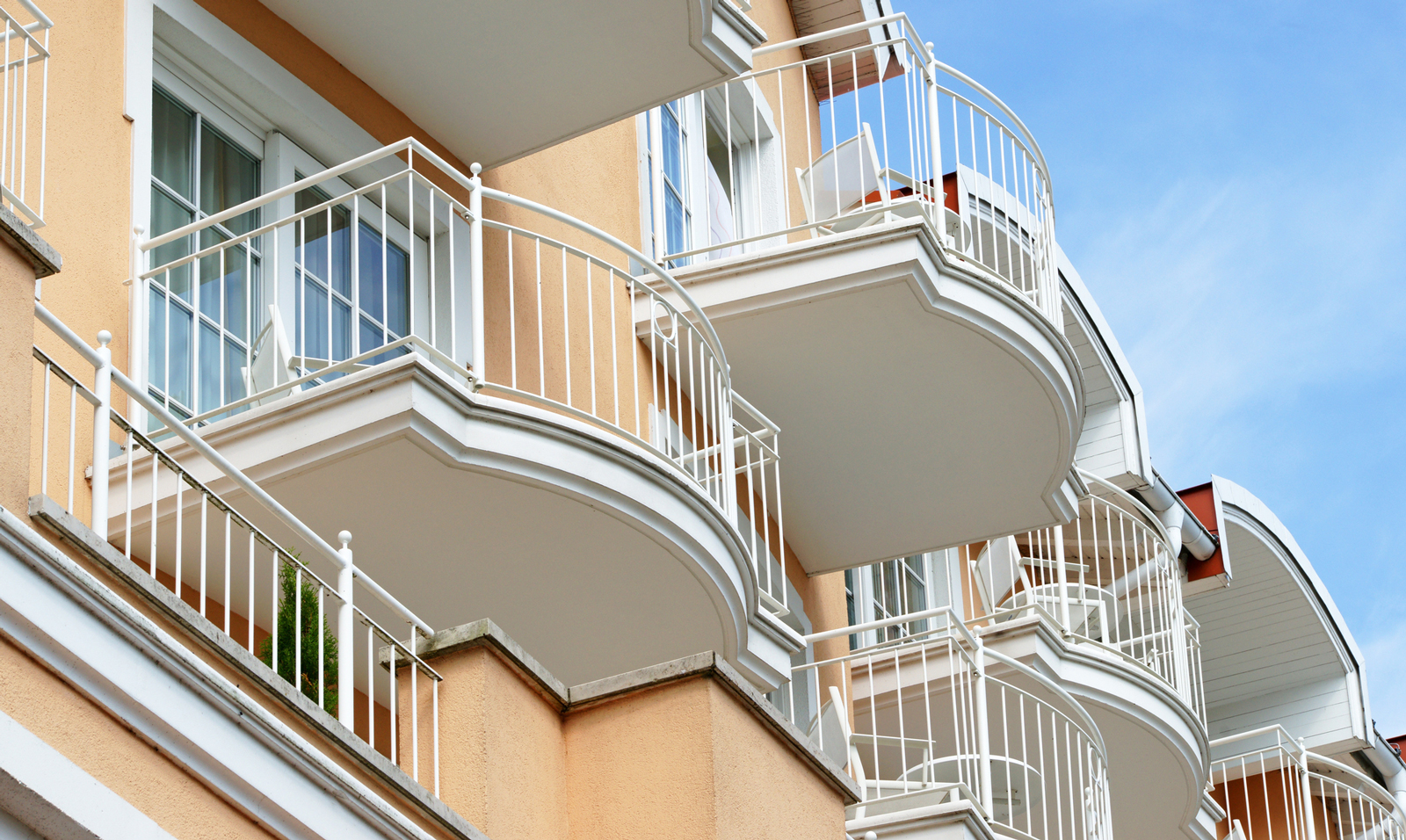
Many Nevada single unit homes and apartment complexes feature elevated decks and platforms. Communities with balconies, walkways, stairways, decks, and other elevated exterior structures might attract serious legal exposure. When community managers and HOA boards delay inspections, maintenance and repairs, things can become worse. Keeping common-area structures safe, maintained, and properly documented protect community managers, HOA boards, and the communities they serve.
Inspection and maintenance matter
High-profile structural failures have attracted national media attention in the past and when that happened the involved properties became heat sinks for negative publicity and increased scrutiny. One good thing did come out of these situations, community association managers and boards heard about them and became more aware of the risks involved. Even in communities where no accidents had occurred, the mere possibility triggered attention.
For Nevada HOAs, it is especially important to confirm that elevated structures have periodic and consistent inspections. And that maintenance and repairs get completed in a timely manner. Missed inspections and delayed repairs become gateways for disgruntled people to further ferret into HOA community boards’ priorities, their attention to properties, and fiscal responsibility. More conflict is the last thing any community manager or board wants.
The legal risk for boards
When an HOA is made aware of or knows about structural and safety issues and does not act promptly, they face accusations of negligence, breach of fiduciary duties and/or failure to maintain common areas. Even if the association ultimately fixes the problem(s), the delays create ongoing exposure. Anyone injured or inhibited from use might well file a complaint.
These disputes can become more serious if the board and management fail to document the process and it’s the basis for its decisions. If meeting minutes, inspection reports, reserve studies, or vendor communications get probed, the association may be prone to liability even where a decision was made in good faith.
Issues over elevated features and common areas lead many Nevada boards to find legal assistance.
Common triggers for legal help
Nevada HOA boards seek guidance when:
A safety concern is repeatedly reported and no clear action occurs.
The association receives a demand letter or threat of litigation.
Homeowners allege the board ignored a known hazard.
Special assessments or reserve expenditures for repairs are being considered
Insurance coverage, risk allocation, or contractor responsibilities are in dispute.
When the initial issue is pursued beyond repair, it often leads to questions about board processes, legal entanglements, and whether the association is properly protected.
A punch list of what to do
Community association managers should begin by identifying issues with common-area structures.
Immediately inform their HOA boards, ownerships, or other appropriate entities about their findings.
Recommend solutions and appropriate courses of action.
Attend to and follow up on prescribed remedies.
Be sure that inspections are regularly scheduled and consistently performed.
Document incidents that occur. This should include logging phone calls; archiving emails; filing all associated correspondence and/or paperwork; documenting vendor solicitation, engagement, process, and completion; photographs; videos; and reports. Preserving chains of custody makes it imperative to have a good system in place. Good documentation is the difference between proving responsible governance and failing to withstand allegations.
Finally, community association managers and boards should act before there is an injury or lawsuit.
Get proactive help from Troy Isaacson. He helps you determine the danger zones and how to protect properties from neglect in both facility functionality and management systems.
The takeaway for HOA boards
For Nevada community associations, balcony and common-area safety issues are not just maintenance concerns. They are governance issues, insurance, and legal issues that affect the entire community. Boards that act early to actively reduce risk, protect residents, and avoid the kind of conflicts that often leads to formal legal action are the ones who stay out of the news and negative social media posts.
When your HOA has concerns about structural safety, repair disputes, or potential liability issues, Isaacson Law will help guide you through the next steps.
LOCATION
- (702) 529-2559
- 7575 Vegas Dr, Suite 150N, Las Vegas, Nevada 89128
BUSINESS HOURS
Monday – Friday: 8:30am to 5:30pm